Muslim Couple Sharing Dates at Mosque Embroidery Review
As a designer who spends more time looking at stitch density and fabric grain than actual sleep, I have learned to be skeptical of digital assets that look too perfect on screen. When I first pulled up Muslim Couple Sharing Dates at Mosque, my initial reaction was one of quiet appreciation for its simplicity. In a market flooded with overly complex, cluttered designs, this piece stands out because it understands the power of negative space and emotional resonance. It is not just a graphic; it is a mood. For embroidery designers, small business owners, and crafters, the challenge is always translating a static image into something tactile. This design offers a compelling opportunity to create something meaningful without overwhelming the machine or the end user.
First Impressions and Visual Personality
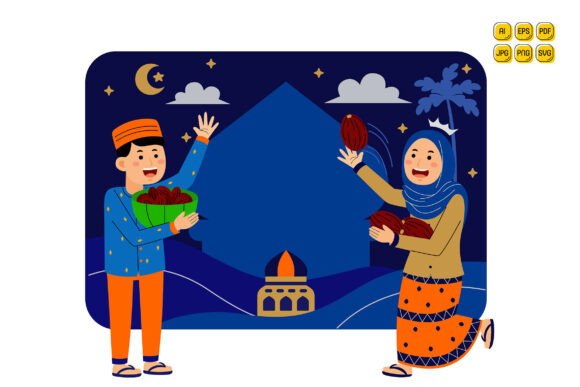
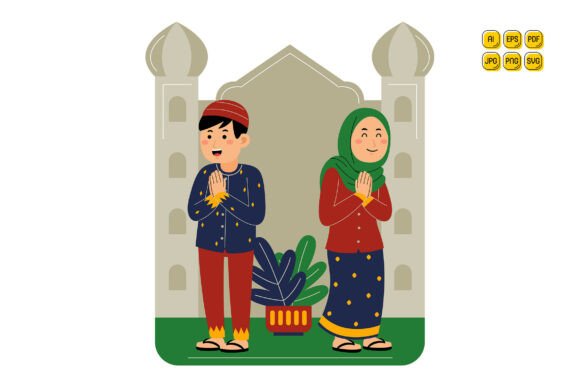
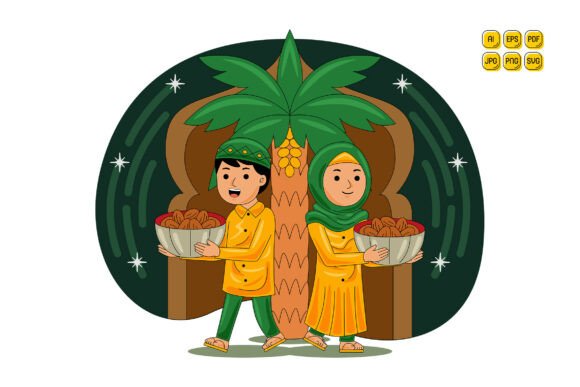
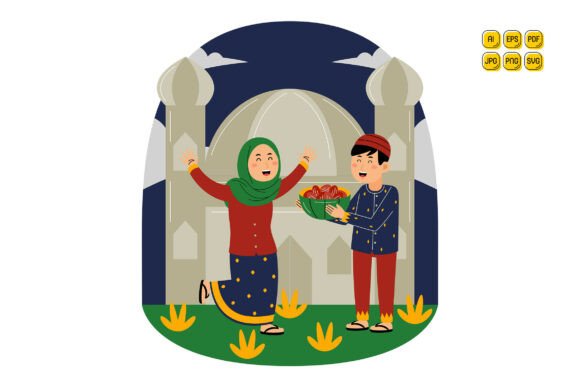
The core strength of Muslim Couple Sharing Dates at Mosque lies in its narrative clarity. The imagery of sharing dates—a gesture rich in cultural and religious significance—paired with the silhouette of a mosque creates an immediate connection. Visually, the composition feels balanced and serene. It does not scream for attention; rather, it invites the viewer in. From a design perspective, this translates well to embroidery because it relies on clear shapes rather than intricate, tiny details that might get lost in thread.
The layout suggests a vertical orientation, which naturally fits well on apparel like the center chest of a sweatshirt or the front panel of a tote bag. The visual personality is warm, respectful, and inviting. It avoids being overly ornate, which is a smart move. Ornate designs often require high-end machines and expert hooping to execute flawlessly. This design, by contrast, feels accessible. It promises a professional result even if you are working with a mid-range home embroidery machine. The theme evokes feelings of community, faith, and family, making it an excellent candidate for personalized gifts or boutique merchandise that aims to connect on an emotional level.
Real-World Application: From Screen to Stitch
Let’s talk about how this machine embroidery design performs in a real project scenario. Imagine you are preparing inventory for an upcoming holiday season or a special occasion like Ramadan. You decide to create a line of custom embroidered aprons and kitchen towels. Muslim Couple Sharing Dates at Mosque fits perfectly here. The theme of sharing food and hospitality aligns beautifully with kitchen items. When stitched onto a cotton tea towel, the design becomes a functional piece of art that reminds the user of tradition and care.
Another strong use case is baby embroidery. Creating a soft onesie or a nursery blanket featuring this design allows parents to pass down values of faith and family through handmade goods. The gentle nature of the imagery works well on delicate fabrics. However, you must consider the scale. On a baby item, the design should be scaled down slightly to ensure it remains cute and proportional, not overpowering. As an Etsy seller or owner of a small shop product line, offering this as a personalized gift option can significantly increase its appeal. Customers love adding names or dates to such meaningful imagery.
For those creating custom apparel, this design shines on structured garments like caps or hats. The curved surface of a cap can distort some designs, but the central focus of the couple and mosque tends to hold its shape well. Alternatively, placing it on the back of a hoodie or the side of a tote bag design allows the design to breathe. It serves as a subtle statement piece, ideal for craft fair products where buyers appreciate understated elegance over loud graphics. The versatility of this illustrations category asset means it can also serve as a base for design assets used in digital marketing, allowing you to create consistent branding across your physical and online presence.
Where to Exercise Caution
No design is without its challenges, and Muslim Couple Sharing Dates at Mosque has specific areas where an embroiderer needs to be careful. First, consider the hoop size. If you attempt to stitch this in a very small hoop, you risk losing the integrity of the mosque’s architectural details or the facial expressions of the figures. Always confirm the hoop size requirements before starting. A larger hoop allows for better tension control and clearer definition.
Fabric choice is equally critical. While this design looks clean on plain backgrounds, it may struggle on highly textured fabrics like heavy tweed or looped terry cloth. The fabric texture can interfere with the satin stitch outlines, causing them to look jagged or uneven. Similarly, stretchy fabrics like thin jersey knits require a strong stabilizer to prevent puckering. If you are stitching on dark fabric, pay close attention to thread colors. Light-colored threads may not provide enough contrast against a black background, making the design hard to read. Test your color combinations early.
Avoid using this design for items that will undergo frequent, harsh washing, such as work uniforms or heavily used dishcloths, unless you are confident in your finishing techniques. The stitch density must be appropriate for the fabric weight. If the design is too dense for a light fabric, it will become stiff and uncomfortable. Also, be mindful of curved surfaces like caps. The design may need slight distortion adjustments to lay flat, so inspect the digitization carefully before committing to a full run.
Practical Designer Notes for Success
To ensure your finished product meets professional standards, follow these practical steps. Always test the embroidery file on scrap fabric first. This simple step can save you from ruining expensive materials. Check the thread color contrast by holding different thread spools against the fabric. Sometimes, a color that looks good digitally appears muddy when stitched. Review the stitch density in your software; if areas seem too packed, consider simplifying the design or adjusting the underlay stitches.
Inspect small details closely. Are the lines of the mosque sharp? Is the spacing between the figures balanced? Use a black and white mockup to check the overall value structure of the design. This helps you see if the composition holds up without the distraction of color. Compare how the design looks on both light and dark fabric backgrounds to determine the most versatile color palette. Use a proper stabilizer matched to your fabric type to ensure stability during stitching.
Finally, remember that this is originally an Illustrations and Graphics asset. If you are converting it for embroidery, you are essentially creating an applique design or a stylized stitch version. Ensure you have the right permissions if you plan to sell finished items. Confirm whether the license allows for commercial embroidery projects. Understanding these technical and legal nuances protects your craft business and ensures that your handmade product is both beautiful and compliant. By approaching Muslim Couple Sharing Dates at Mosque with these considerations, you can transform a simple digital image into a cherished finished product that resonates with customers and reflects your skill as a designer.