Four Step Rounded Infographic Review
As a designer who spends more time than I care to admit staring at stitch lines and debating thread colors, I approach every new machine embroidery design with a healthy dose of skepticism. The market is flooded with vector-based assets that look beautiful on a screen but fall apart under the needle. Today, I am evaluating the Four Step Rounded Infographic, a piece categorized under Infographics and Graphics. My goal here is not just to describe what it looks like in a preview window, but to determine if this embroidery file has the structural integrity and aesthetic appeal required for real-world client work, boutique merchandise, and high-stakes handmade products.
First Impressions: Visual Personality and Layout
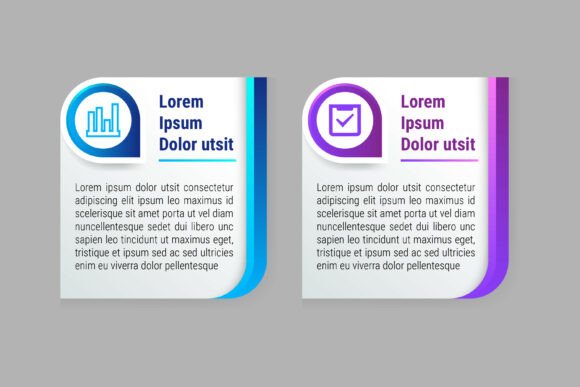
The moment you load the Four Step Rounded Infographic, the first thing that strikes me is its clean, modern geometry. Unlike traditional infographic designs that often feel cluttered or overly corporate, this asset utilizes rounded corners to soften the visual impact. This is a crucial detail for embroidery, where sharp angles can sometimes look jagged or difficult to stabilize without excessive hooping adjustments. The layout is linear yet balanced, guiding the eye naturally through four distinct stages. It feels less like a rigid data chart and more like a friendly, accessible process map.
The description mentions a gradient color combined with a shadow effect. In the digital realm, gradients are straightforward. In embroidery, however, they require careful consideration of thread transitions and stitch direction. If executed well, this design offers a sophisticated depth that elevates a simple handmade product into something that feels professionally curated. The shadow effect, likely achieved through strategic fill stitches or applique layering, adds dimensionality that flat satin stitches often lack. For an Etsy seller looking to stand out, this kind of nuanced visual interest is exactly what drives click-through rates on listing photos.
Real-World Application: From Screen to Stitch
I recently considered using this design for a custom order—a set of personalized aprons for a local bakery’s holiday gifts. The concept was "Our Four Steps to Freshness," featuring their logo and core values. Here is how the Four Step Rounded Infographic performed in my mental simulation of the actual production process:
- Custom Apparel and Aprons: The horizontal flow of the four steps fits perfectly across the chest area of an apron or the back yoke of a sweatshirt. It provides enough surface area to be legible without overwhelming the garment. On a sweatshirt embroidery project, the rounded shapes complement the soft texture of fleece or cotton blends beautifully.
- Tote Bag Design: For canvas totes, this design works exceptionally well as a central focal point. The simplicity of the four-step structure allows the fabric texture to show through slightly, creating a rustic yet polished look. It transforms a basic tote into a branded statement piece.
- Baby Embroidery and Nursery Decor: The rounded edges make this design inherently safer and softer visually, which is ideal for baby clothes or nursery wall hangings. Parents often prefer designs that feel gentle and nurturing rather than stark or industrial. This infographic strikes that balance, making it a strong candidate for personalized gift items.
- Embroidered Patch: Converting this into a patch for a cap or a denim jacket is another viable option. The clear separation between the four steps allows for distinct border stitching, ensuring the patch holds its shape even after frequent washing.
Technical Considerations and Stitch Behavior
While the visual appeal is high, we must talk about the mechanics. The mention of a gradient color in the source description raises immediate questions about stitch density and thread changes. If this design relies heavily on fill stitch to create the gradient effect, it may become dense and stiff. For delicate fabrics, this could lead to puckering. However, if the designer utilized smart running stitch techniques or strategic applique design elements to simulate the gradient, the result would be lightweight and durable.
The shadow effect is another technical point of interest. Shadows in embroidery are often created by offsetting layers or using contrasting thread colors. If the contrast is too low, the design will look muddy once stitched. If the contrast is too high, it might look disjointed. I always advise testing such effects in black and white mockups before committing to expensive threads. This helps ensure that the hierarchy of information—the "four steps"—remains readable regardless of color choices.
Where Caution Is Required
Not every surface is suitable for this level of detail. I would exercise caution when placing the Four Step Rounded Infographic on small hoop sizes, particularly if the text or icons within the steps are minute. Tiny details often get lost in the bobbin tension or merge together during the stitching process. Additionally, textured fabrics like heavy wool or terry cloth can obscure the fine lines of an infographic. Stretchy fabrics also pose a risk; without proper stabilizer support, the rounded shapes may distort, turning perfect circles into ovals.
Furthermore, if you plan to use this for commercial embroidery on items that will undergo frequent industrial washing, such as uniform shirts, ensure that the stitch density is appropriate. Excessive density can weaken the fabric over time. Always check whether the design includes adequate underlay stitches to anchor the top layers securely.
Strategic Value for Creators and Sellers
For craft business owners and digital product sellers, the versatility of this design is its strongest asset. It bridges the gap between informational content and decorative art. A small shop product featuring this design feels educational yet stylish, which appeals to a broad demographic. Whether you are creating printable mockups for digital planners or actual physical goods, the clean lines of the graphics translate well across mediums.
From a branding perspective, using a structured infographic implies organization and clarity. Customers subconsciously associate well-executed design with reliability. When a buyer sees a neatly embroidered process diagram on a tote bag or a pillow cover, it suggests that the maker pays attention to detail. This builds customer trust and enhances the perceived value of the finished product.
Practical Designer Notes Before You Stitch
Before adding the Four Step Rounded Infographic to your production queue, follow these practical steps to ensure success:
- Test on Scrap Fabric: Never run a complex design directly onto your final customer item. Use scraps of the same fabric type to check for puckering, thread breaks, or alignment issues.
- Review Stitch Density: Zoom in on the design in your software. Look for areas where stitches might overlap excessively. Adjust the density settings if necessary to prevent bulkiness.
- Check Thread Color Contrast: Ensure that the chosen thread colors provide sufficient contrast against the fabric background. Low-contrast combinations can render the infographic illegible.
- Confirm Hoop Size: Verify that the design dimensions fit comfortably within your intended hoop size, leaving enough margin for stabilization.
- Inspect Small Details: If the design contains tiny text or icons, consider enlarging them slightly if the original resolution is unclear. Clarity is king in embroidery.
- Verify Licensing: Since this is a graphic asset, double-check the licensing terms. Ensure you have the right to sell finished items made from this embroidery project, especially if you are marketing it as part of a design assets bundle.
In conclusion, the Four Step Rounded Infographic is a versatile and aesthetically pleasing addition to any designer’s library. Its rounded, modern style makes it suitable for a wide range of applications, from holiday embroidery gifts to professional custom apparel. By paying close attention to stitch density, fabric choice, and color contrast, you can transform this digital graphic into a stunning tactile experience that delights customers and showcases your craftsmanship.